Source hair scrunchies for Girls, Daily Use, and Fashion
Compare 30 listings of fabric hair scrunchies suitable for girls with customization options. Buyers can review specifications like material composition, GSM weight, and packing details from suppliers in China.
Key considerations
Products List


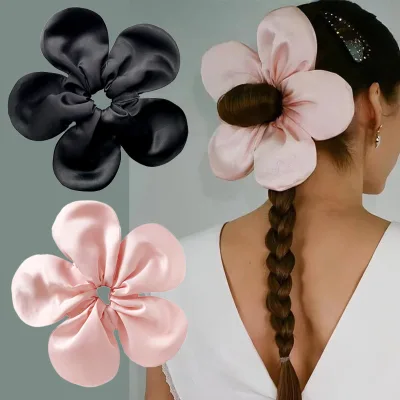
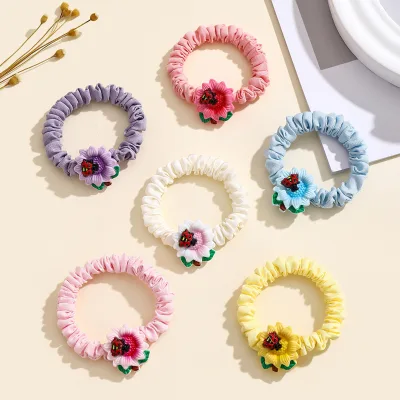
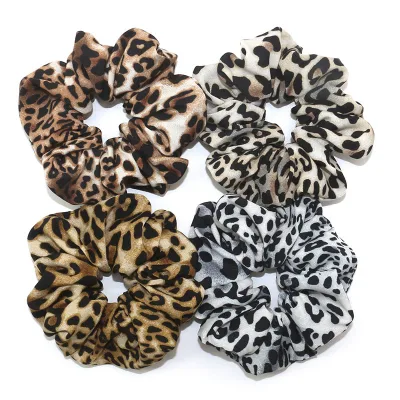
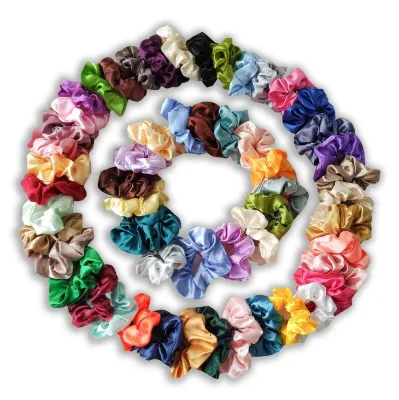


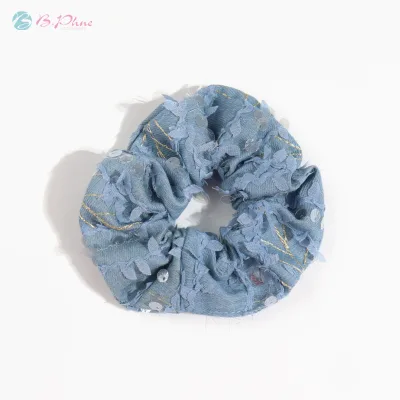
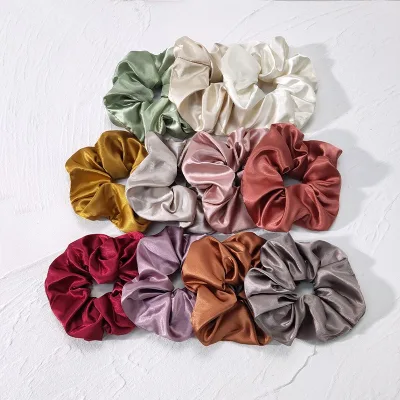
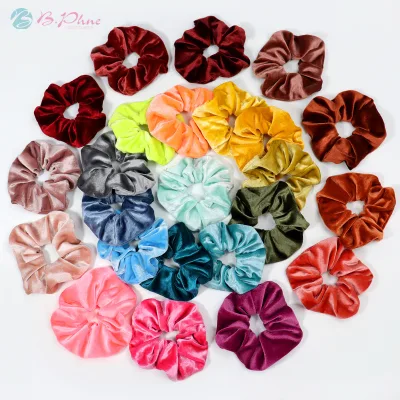

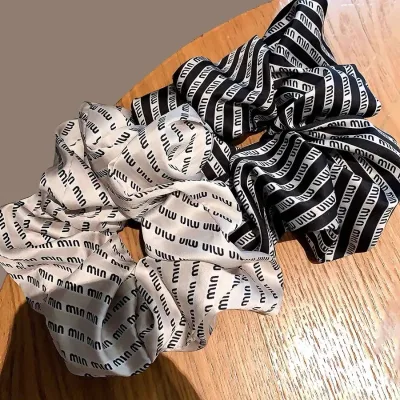
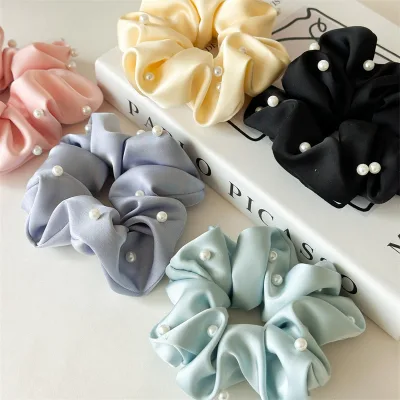
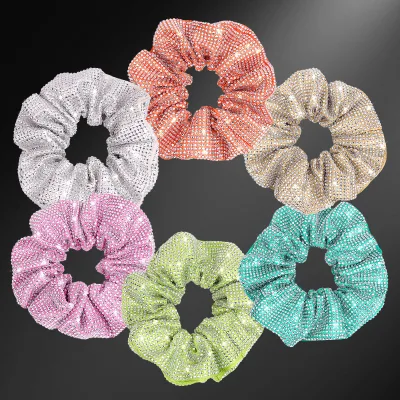
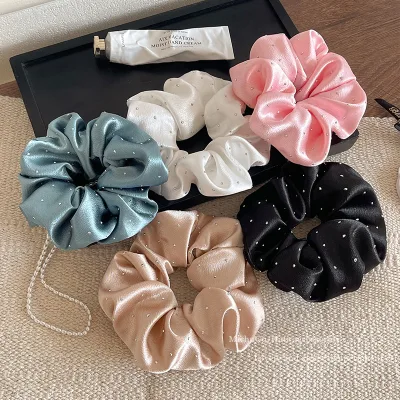
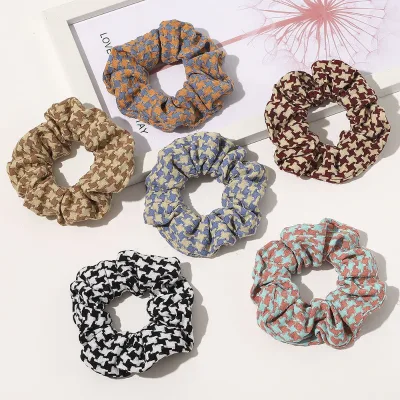
Comprehensive Sourcing Guide
Strategic Sourcing Guide for Hair Scrunchies in the B2B Market
The global market for hair accessories has seen a sustained resurgence, with hair scrunchies transitioning from a nostalgic trend to a staple item in daily fashion and beauty routines. For B2B procurement professionals, sourcing these items requires a nuanced understanding of material composition, manufacturing capabilities, and compliance frameworks. The current landscape offers a diverse range of products, from simple elastic bands to elaborate fabric-based designs, catering to specific demographics such as girls and general daily use. This guide outlines the critical factors buyers must evaluate when engaging with suppliers, ensuring that procurement decisions are grounded in verifiable data and industry standards rather than marketing assertions.
Material Composition and Technical Specifications
The foundation of any high-quality hair scrunchie lies in its material composition and technical specifications. Based on observed product attributes, the primary material used is fabric, with microfiber being a prominent variant. The composition of these fabrics varies significantly between suppliers and product lines. Common formulations include blends of 80% Polyester and 20% Polyamide, as well as 100% Polyester options. This variation impacts the tactile feel, durability, and elasticity of the final product. Buyers must verify the specific blend ratio for their target market, as polyester offers durability and color retention, while polyamide (nylon) contributes to softness and stretch.
Weight is another critical technical parameter, often measured in GSM (grams per square meter). The observed data indicates a weight range of 120-400GSM for certain product lines, with other variations falling between 200-400GSM. This variance suggests that buyers can source products ranging from lightweight, airy scrunchies to heavier, more structured designs. The GSM directly influences the volume of the scrunchie when gathered and its ability to hold hair without slipping. Additionally, the standard dimensions vary widely. Some models adhere to specific measurements such as 1212cm, 3.753.75 inches, 3.9''x3.9'', or 18*5cm, while many suppliers offer customization to meet specific design requirements. Understanding these dimensional standards is essential for inventory planning and packaging logistics.
Compliance, Certifications, and Regulatory Standards
In the B2B sector, compliance is not merely a formality but a prerequisite for market access and brand integrity. When sourcing hair accessories, particularly those intended for children or general daily use, verifying certifications is paramount. The available data highlights specific certifications such as BSCI (Business Social Compliance Initiative) and SGS (Société Générale de Surveillance). BSCI certification indicates that the supplier adheres to social compliance standards regarding labor practices, working conditions, and ethical manufacturing. SGS certification typically relates to quality assurance, testing, and verification of product specifications.
Buyers should be cautious regarding claims of environmental certifications. While background information may mention standards like GOTS (Global Organic Textile Standard) or OEKO-TEX, these should not be assumed as standard attributes unless explicitly confirmed in the specific product listing or supplier documentation. The presence of BSCI and SGS suggests a baseline of quality and ethical manufacturing, but buyers must request current certificates for the specific production batch or factory to ensure validity. Furthermore, the origin of the products is a key factor; the majority of observed listings indicate production in China, specifically in regions like Yiwu City, Zhejiang Province. Understanding the regulatory environment of the manufacturing origin is crucial for navigating import duties and safety standards in the destination market.
Cost Drivers and Pricing Dynamics
The pricing structure for hair scrunchies is influenced by several variables, including material costs, customization complexity, and order volume. The observed price range in the market spans from $0.10 to $5.00 USD. This wide disparity reflects the difference between basic, mass-produced items and premium, custom-designed products. The Minimum Order Quantity (MOQ) is a significant driver of unit cost, with observed ranges extending from 12 units to 2,400 units. Lower MOQs, such as 12 units, typically command a higher per-unit price due to the setup costs involved in small-batch production. Conversely, larger orders allow suppliers to optimize production runs, resulting in lower unit costs.
Customization is a major cost factor. The data confirms that customization is available for styles, dimensions, and packaging. Customizing the standard size (e.g., moving from 12*12cm to a specific custom dimension) or altering the fabric composition (e.g., specific GSM requirements) will incur additional costs. Additionally, the choice of packaging affects the final price. Options range from simple bulk packing to specialized packaging like paper boxes or 5-layer cartons. The "5 Layers Carton" specification suggests a need for robust protection during shipping, which adds to the material and labor costs. Buyers must balance the desire for customization against the budget constraints, understanding that higher customization levels will inevitably push the price toward the upper end of the observed range.
Supplier Evaluation and Operational Capabilities
Evaluating a supplier requires a deep dive into their operational capabilities, specifically regarding OEM (Original Equipment Manufacturer) and ODM (Original Design Manufacturer) services. The provided facts confirm that ODM/OEM services are available, and some listings explicitly welcome OEM orders. This indicates that suppliers are capable of producing private-label goods according to the buyer's specifications. When evaluating potential partners, buyers should verify the supplier's capacity to handle the required order volume and their flexibility in accommodating design changes.
The production model and shipping logistics are also critical evaluation points. Suppliers offer various shipping methods, including sea, air, and express delivery. The choice of shipping method will impact the lead time and total landed cost. For large volume orders, sea freight is often the most cost-effective, while air or express shipping is reserved for urgent, smaller batches. Payment terms are another area of scrutiny; standard terms observed include T/T (Telegraphic Transfer), L/C (Letter of Credit), and Western Union. Buyers should negotiate terms that align with their cash flow and risk management strategies. Additionally, the brand name "Zhuola" appears in specific listings, indicating that some suppliers operate with established brand identities, while others may focus on white-label production. Buyers should clarify whether they are purchasing a branded product or seeking a private-label solution.
Quality Control and Durability Standards
Ensuring product quality is essential for maintaining customer satisfaction and minimizing returns. The observed product attributes emphasize "High Quality" and "Durable" characteristics. These claims should be validated through rigorous quality control (QC) processes. For hair scrunchies, key QC checkpoints include the strength of the elastic core, the integrity of the fabric stitching, and the colorfastness of the material. The composition of 80% Polyester and 20% Polyamide or 100% Polyester suggests a focus on durability, but the actual performance depends on the manufacturing precision.
Buyers should implement a QC protocol that includes pre-production sample approval and during-production inspections. The "High Quality" designation in the product data is an observation that must be verified against physical samples. Specific attention should be paid to the "Mode" of the product, such as "Scrunchies," and the "Shape," which can range from standard cylindrical forms to decorative "Flowers." The durability of the elastic is particularly important for products marketed for "Daily Use" or for "Girls," where frequent washing and wear are expected. Testing for elasticity recovery and fabric tear strength is recommended. Furthermore, the "Popularity" and "Fashion" attributes suggest that the design must remain relevant; buyers should assess the supplier's ability to adapt to changing fashion trends quickly.
Typical Applications and Market Segmentation
Hair scrunchies serve a broad spectrum of applications, from functional hair management to decorative fashion statements. The data indicates that these products are suitable for "Girls" and are used for "Daily Use" and "Hair Decoration." The "Style" attributes range from "Simple" to "Fashion" and "Elegant," catering to diverse consumer preferences. The "Occasion" is primarily "Daily Use," but the "Fashion" and "Elegant" styles suggest suitability for special events or as part of a coordinated outfit.
The market segmentation is further defined by the product type. "Elastic Hair Bands" and "Fabric Hair Scrunchie Accessories" represent different functional categories. The "Types" are explicitly listed as "Girls Hair Decoration," indicating a strong focus on the youth and children's market. However, the "Daily Use for Hair Decoration" usage suggests a broader appeal to adults as well. The "Features" listed as "Hair Accessories for Girls" reinforce this demographic focus. Buyers should consider the specific needs of their target audience when selecting products. For instance, a product line focused on "Elegant" styles with "Flower" shapes may be better suited for gift markets or special occasions, while "Simple" and "Durable" options are ideal for everyday retail.
Long-Term Procurement Considerations
Sourcing hair scrunchies is not a one-time transaction but a long-term partnership that requires strategic planning. The availability of "Customization" and "ODM/OEM" services suggests that suppliers are positioned for long-term collaboration. Buyers should consider the scalability of the supplier's operations. With MOQs ranging up to 2,400 units, suppliers must have the capacity to ramp up production as order volumes grow. The "Whole Year" season attribute indicates that these products are not seasonal but have consistent demand, allowing for stable inventory planning.
Packaging standards also play a role in long-term logistics. The observation of "by 5 Layers Carton" and "Paper Box" options highlights the need for protective packaging that minimizes damage during transit. Standardizing packaging across different product lines can streamline warehouse operations and reduce shipping costs. Additionally, the payment terms and shipping methods should be reviewed periodically to ensure they remain competitive and aligned with market conditions. Buyers should maintain open communication with suppliers regarding production schedules and potential supply chain disruptions. By focusing on suppliers with verified certifications like BSCI and SGS, buyers can mitigate risks related to labor practices and product quality, ensuring a sustainable and ethical supply chain for their hair accessory business.
FAQs
What materials are used for hair scrunchies?
The primary material is fabric, often microfiber, with compositions of 80% polyester and 20% polyamide or 100% polyester. This blend ensures durability and softness suitable for daily use and hair decoration.
Can I customize the size and style of scrunchies?
Yes, customization is available for dimensions like 12x12cm or 3.75x3.75 inches, as well as styles ranging from simple to elegant. Buyers can request specific fabric weights between 120 and 400 GSM to meet design needs.
Which certifications do the manufacturers hold?
Suppliers typically hold BSCI and SGS certifications to ensure social compliance and product quality. These standards verify ethical manufacturing practices and material safety for products intended for girls and general daily use.
What is the minimum order quantity for these items?
The minimum order quantity ranges from 12 to 2400 units depending on the supplier and customization level. Lower MOQs may result in higher per-unit costs, while larger orders optimize production efficiency.
How are the products packed for shipping?
Products are packed using 5-layer cartons or paper boxes to ensure protection during transit. Specific packing configurations like 12 pieces per dozen help streamline logistics for bulk orders.
Where are these hair accessories manufactured?
Most products originate from China, specifically Yiwu City in Zhejiang Province. This location is a known hub for fabric hair accessories and offers efficient supply chain capabilities for global export.
What payment methods are accepted by suppliers?
Suppliers accept standard payment terms including T/T, L/C, and Western Union. These options provide flexibility for international buyers to manage cash flow and secure transactions for their orders.